What Is Web Design and What Does It Do?
What does web design cover?
Web design is the planning of the pages that make up a business’s face on the internet, both visually and functionally. Aesthetic decisions such as color, typography and layout are considered together with usability decisions such as menu structure, page flow and forms. Therefore, website design is not just about producing a page that looks good; it is about building a structure that helps visitors reach the information they are looking for in the shortest way.
What it does: concrete contributions to the business
A well-structured design turns the digital storefront into a sales and communication tool. In the first seconds after entering the site, visitors understand what is being offered, easily find the product they are looking for and do not have to guess the next step.
- It makes products and services comparable and searchable.
- It facilitates conversions such as quote requests, appointments and orders.
- It gives visual and structural signals about the brand’s reliability.
- It increases the quality of leads coming to the sales team.
Why a sales tool, not a storefront?
A significant portion of the traffic coming from advertising and SEO efforts leaves if they do not understand what to do after entering the site. Design comes into play at exactly this point: a clear page hierarchy, visible guidance and consistent language shorten the visitor’s decision-making time.
What Processes Does Website Design Go Through?
Why should the process start with a plan?
Website design does not start with opening a screen and choosing colors. First, the target audience, competitors, existing traffic and business goals are clarified. At this stage, which question the site will answer and which action it will trigger are put in writing. A clear brief speeds up subsequent decisions and reduces the number of revisions.
The four main stages of the web design process
1. Discovery and brief
Goals, target audience, competitor analysis and content inventory are identified. Which pages are needed and which action each page supports are determined at this stage.
2. Structure and interface design
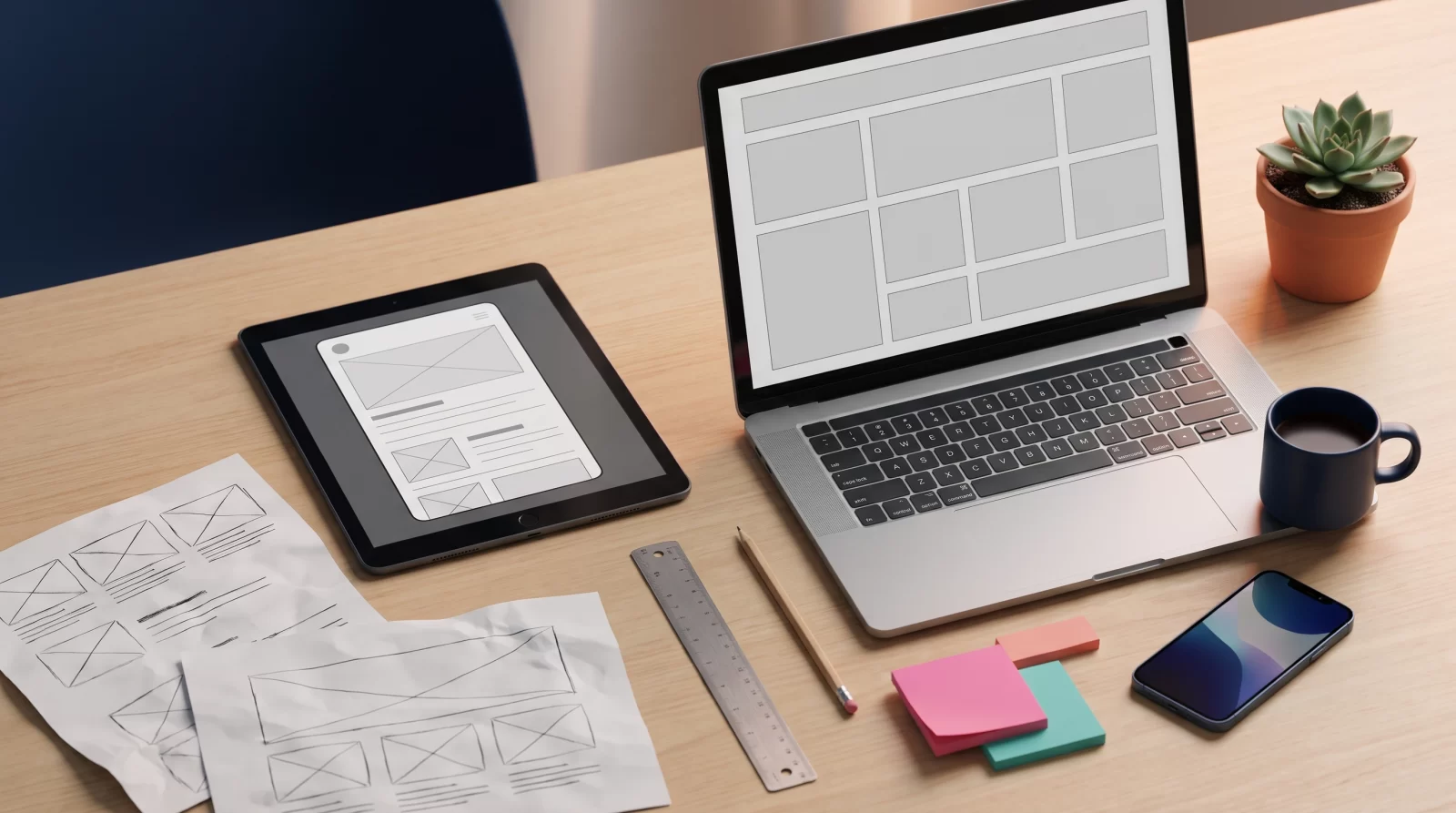
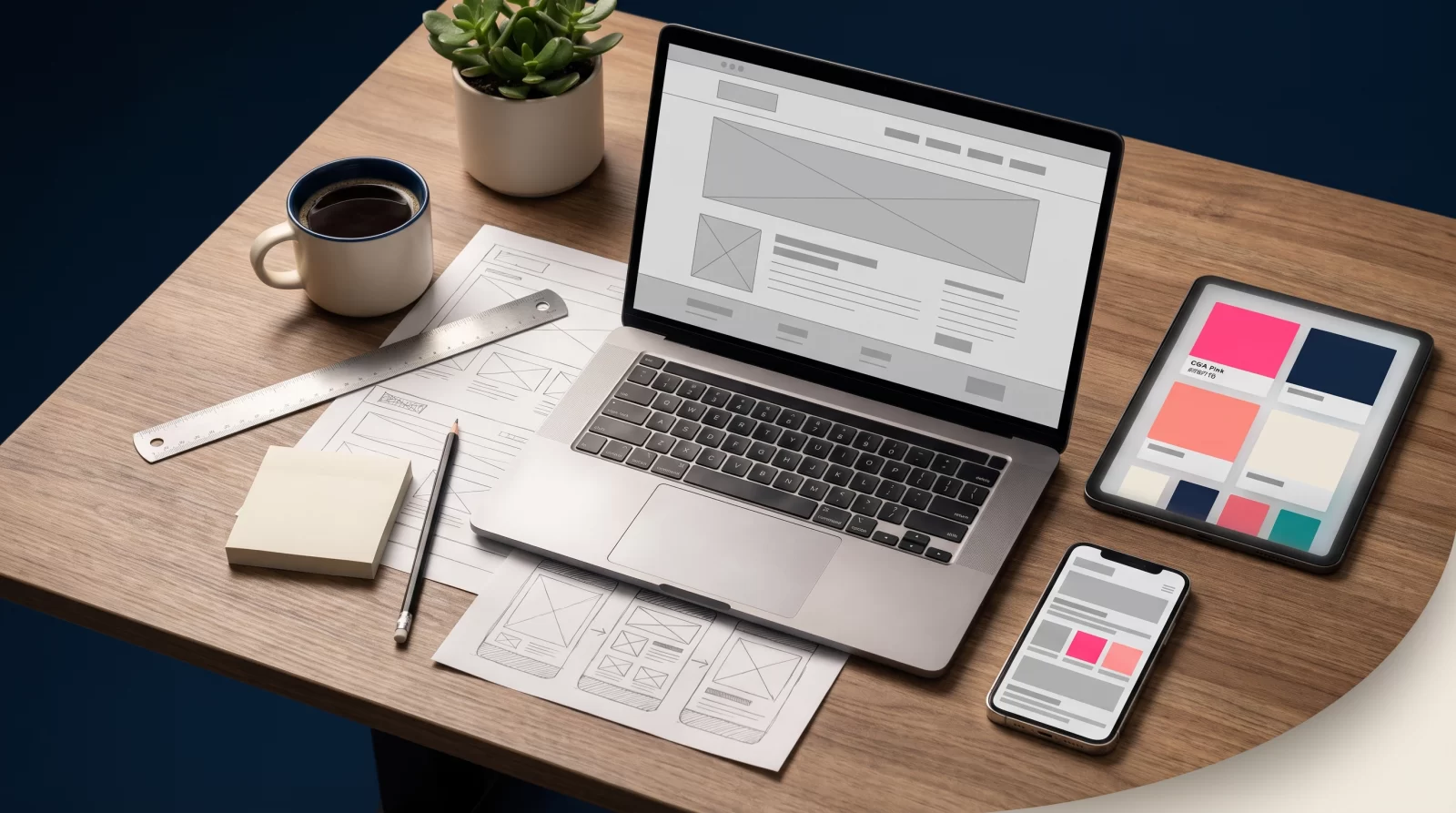
First, the page flow is tested with a low-detail wireframe, then an interface design aligned with the brand identity is prepared. Menu, button and form placements are positioned according to user behavior.
3. Development and content placement
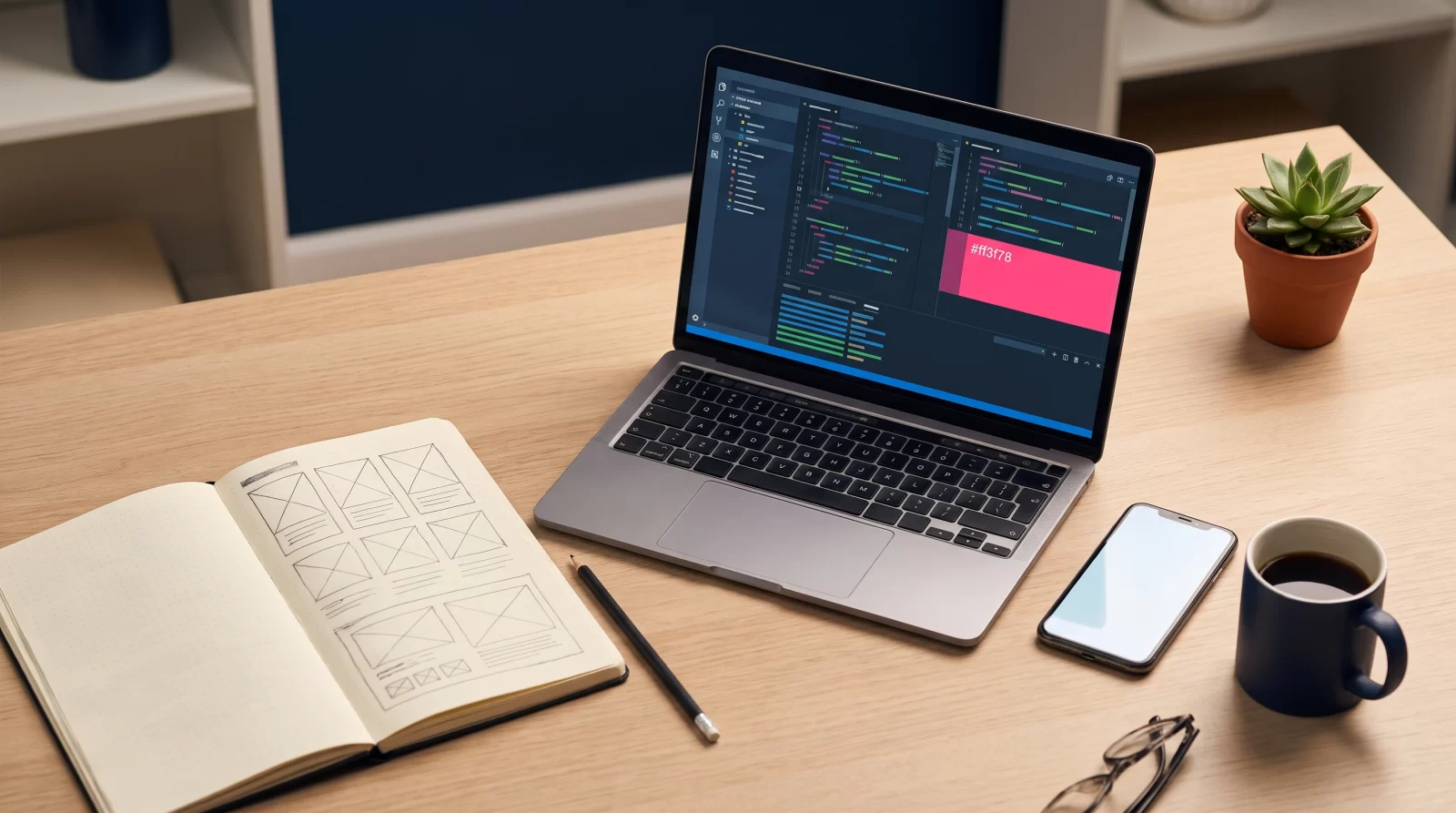
The design is coded as mobile-friendly; heading hierarchy, page speed and technical SEO requirements are implemented. Texts are placed in a readable way without keyword stuffing.
4. Testing, launch and measurement
Tests are carried out on different devices and browsers, and forms and redirects are verified. After launch, behavior data begins to be monitored with analytics setup.
Why is revision part of the process?
The first draft is rarely the final version. Feedback should be collected from different perspectives such as the client representative and the sales team, not from a single person; the goal of each revision should be defined in writing.
Why Is User Experience Central to Design?
User experience directly affects sales
If visitors cannot find what they are looking for on a site, they look for the solution in a competitor. Therefore, user experience is a framework that comes before the aesthetic choices of design. When page flow, button texts and form fields are structured around real user questions, both bounce rate decreases and conversion rate increases.
Why is mobile-first design essential?
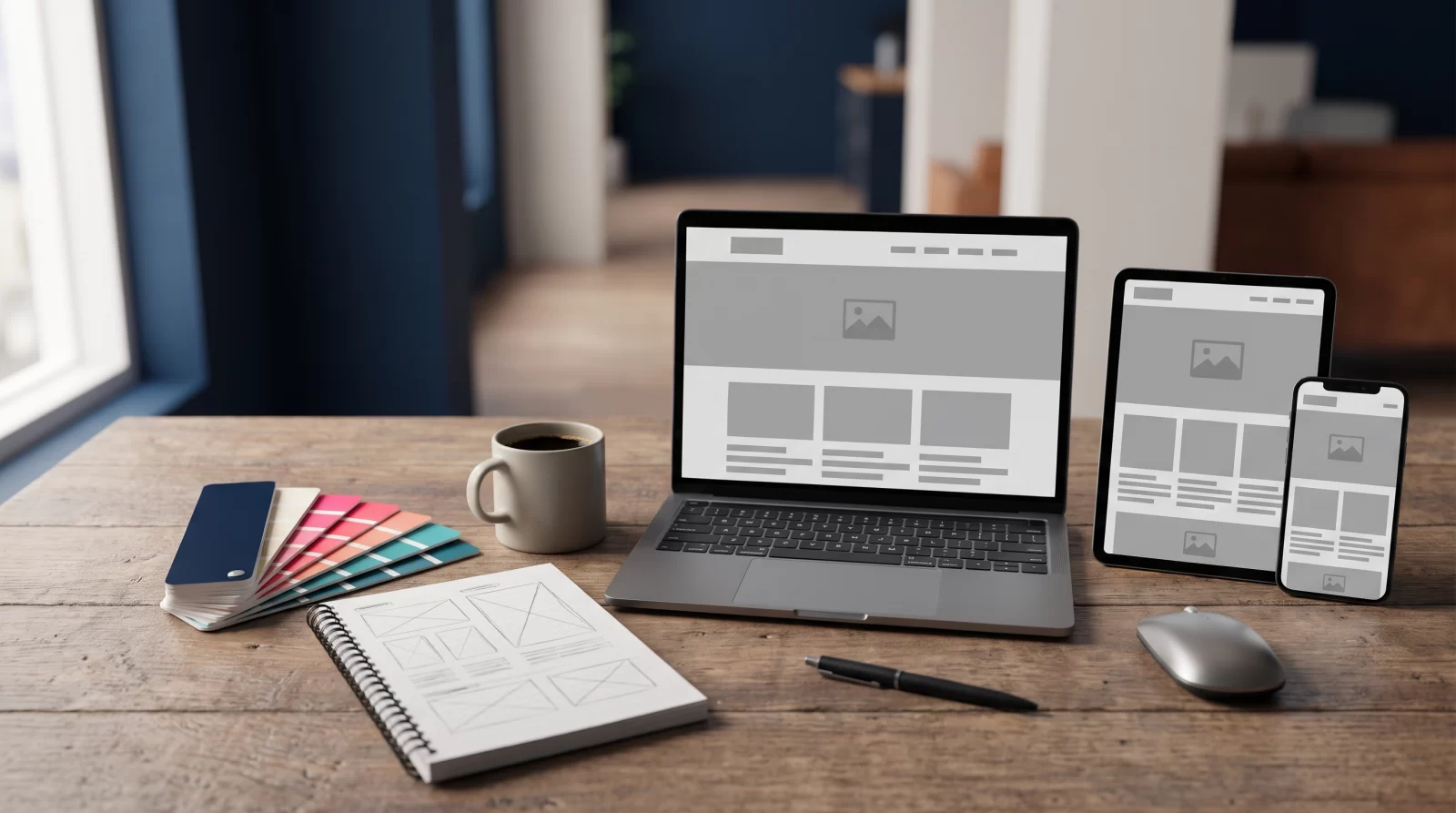
A significant portion of visitors come to the site from their phones. Text that is unreadable on a small screen, buttons that are too close together or tables that require horizontal scrolling make even the best desktop design ineffective. That is why design should be considered on mobile first and then adapted to larger screens.
Speed, accessibility and trust signals
User experience is not determined by layout alone. The following topics are an inseparable part of design decisions:
- Speed: Large images and unnecessary plugins cause visitors to be lost before the page opens.
- Accessibility: Sufficient contrast, readable font size and keyboard navigation are necessary for everyone.
- Trust: Clearly visible contact information and easy access to return and privacy pages reduce hesitation.
What Outputs Should Businesses Expect from Design?
Tangible outputs expected from design
The value of a website design project is measured not by the number of screens delivered but by a structure that works. A healthy project should deliver the following outputs:
- Clear positioning: Visitors understand what you offer and who you serve from the first screen.
- Measurable conversion: Form, search and cart steps are tied to defined goals.
- Manageability: Content updates can be made without technical support.
- Scalability: Adding new products, languages or pages does not disrupt the structure.
How is success measured?
The launch date is not the end of the project but the start of measurement. Traffic sources, time on page, form completion rate and abandoned steps should be monitored regularly. This data shows which page needs to be revisited with evidence, not guesswork.
Where should you start?
Together, we can assess how well your current website supports your goals. A short needs analysis can clarify the scope, priorities and a realistic timeline. As the CSA Medya team, we are here to support you with website design, user experience and technical SEO; if you wish, you can contact us to discuss your project.
Key takeaways
Define the goal in writing before starting design
Write down at the start of the project which page will trigger which action. Getting a quote, booking an appointment, or selling a product require different page flows. A brief with a clear goal speeds up design decisions and reduces costly revisions later. This single step makes both the project timeline and budget predictable.
Manage user experience with data, not guesswork
Rely on behavioral data rather than personal preference for menu structure, button text, and form fields. Track analytics tools, form completion rates, and abandoned steps. Even small text changes can affect conversion; therefore apply each update one at a time and in a measurable way.
Complete mobile and speed checks before launch
Before launching the site, test it on different screen sizes, in different browsers, and on a slow connection. Compress large images, remove unnecessary plugins, and verify that forms are actually submitted. Post-launch fixes are always more costly than pre-launch checks.
Dedicate the first three months after launch to measurement
A design project does not end with delivery. In the first months, regularly monitor traffic sources, time on page, and conversion steps. Identify pages where visitors get stuck and make content and layout adjustments. This cycle helps the site improve over time and increase its contribution to sales.
Frequently asked questions
What is the difference between web design and web development?
Web design focuses on the site's visual layout, page flow, and user experience. Web development turns this design into a working structure with code. The two processes often run intertwined in most projects: design decisions determine usability, while development decisions determine speed and technical performance.
How long does a website design take?
The timeline varies depending on the number of pages, content preparation, and integration needs. Corporate promotional sites are usually completed in a few weeks, while e-commerce or multilingual projects require a longer schedule. Having content and decisions ready in advance significantly shortens the process.
How does web design affect SEO?
Heading hierarchy, page speed, mobile compatibility, and navigation structure affect how search engines understand the site. Clean code and a correct content structure increase the impact of technical SEO efforts. Decisions made during the design phase prevent issues that are costly to fix later.
Should I choose a ready-made template or custom design?
Ready-made templates are fast and low-cost; however, they offer limited flexibility for the brand's needs. Custom design provides a flow suited to business processes and a scalable structure. When deciding, budget, content volume, and long-term growth plans should be evaluated together.
Why is it important to keep the site up to date after design?
Browsers, technologies, and user expectations change; a site that worked well a few years ago may gradually slow down or create security risks. Regular content updates, speed checks, and form tests maintain the site's performance and reliability.